 Image 1 of 1
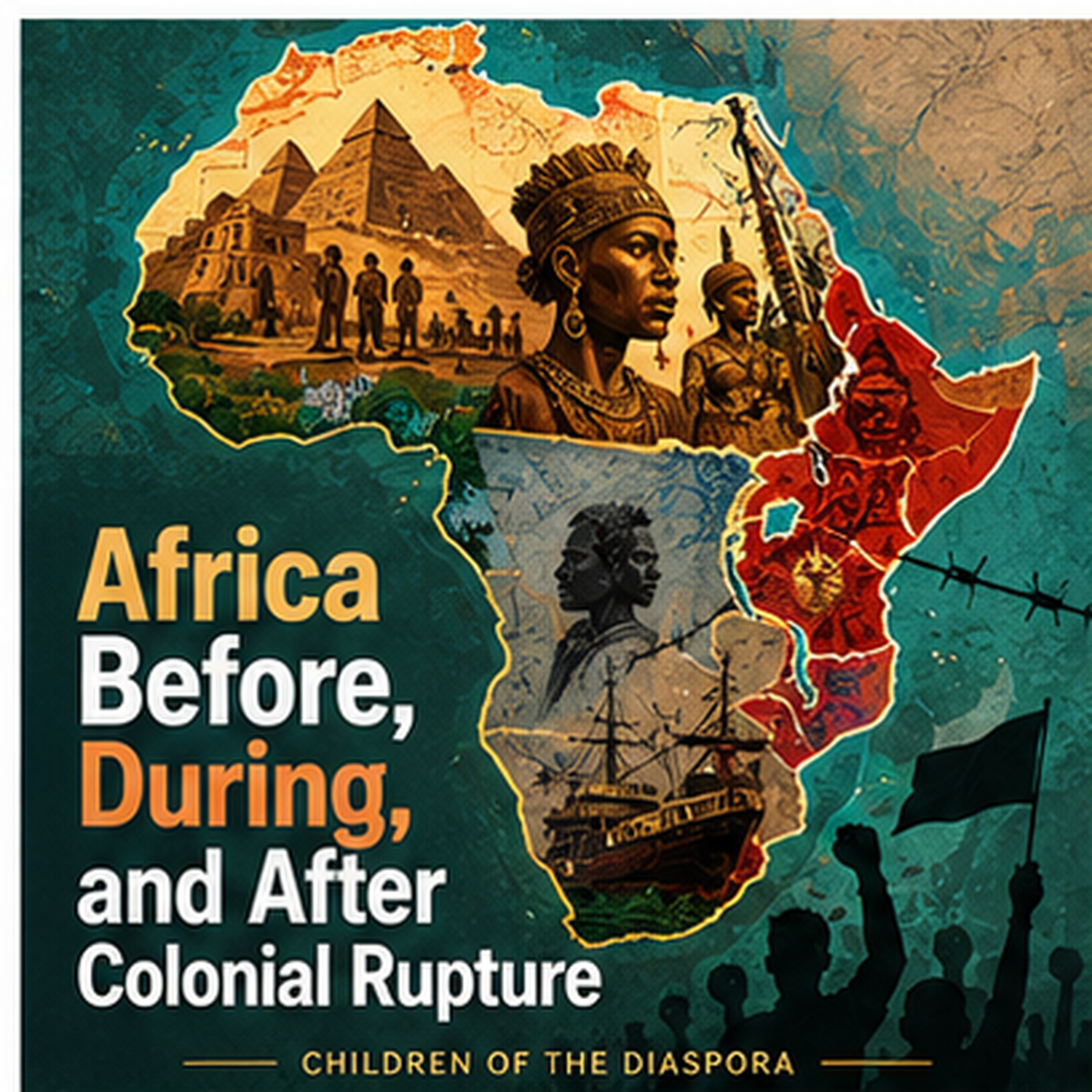
This curriculum helps students study Africa beyond simplistic or deficit narratives by examining African life before, during, and after colonial disruption. Students explore history, culture, power, resistance, geography, and legacy while strengthening reading, research, and critical-thinking skills. Ideal for global history, African studies, ethnic studies, and interdisciplinary humanities instruction.
Content Areas: Global History | Anthropology | Sociology | ELA | Photojournalism
Designed for 11th and 12th graders, the curriculum aligns with college-preparatory skills: advanced reading comprehension, research methods, source evaluation, comparative analysis, persuasive and expository writing, and multimodal project work. Assessment options include document-based questions, research portfolios, photo-ethnography projects, socratic seminars, and performance-based exhibitions that center African perspectives and promote critical engagement rather than deficit-based portrayals.
This curriculum helps students study Africa beyond simplistic or deficit narratives by examining African life before, during, and after colonial disruption. Students explore history, culture, power, resistance, geography, and legacy while strengthening reading, research, and critical-thinking skills. Ideal for global history, African studies, ethnic studies, and interdisciplinary humanities instruction.
Content Areas: Global History | Anthropology | Sociology | ELA | Photojournalism
Designed for 11th and 12th graders, the curriculum aligns with college-preparatory skills: advanced reading comprehension, research methods, source evaluation, comparative analysis, persuasive and expository writing, and multimodal project work. Assessment options include document-based questions, research portfolios, photo-ethnography projects, socratic seminars, and performance-based exhibitions that center African perspectives and promote critical engagement rather than deficit-based portrayals.